
The Power of Cyberactivism
The digital age of social media has become a powerful tool for mobilizing support for many causes. Before, awareness of a cause was limited to traditional media or word-of-mouth. Most causes were local or regional due to the inability to reach the masses. Now, social media and the internet have given activism worldwide platforms. People can connect through these platforms. They share stories and create support groups for encouragement. They are eager to share stories with their online communities. Social media and the internet empower advocates like Breast Cancer Awareness. They offer awareness, assistance, and emotional support to millions affected by this cancer.
“Social media is the most powerful tool to connect people, share stories, and mobilize movements” – Malala Yousafzai
Breast Cancer Awareness Month
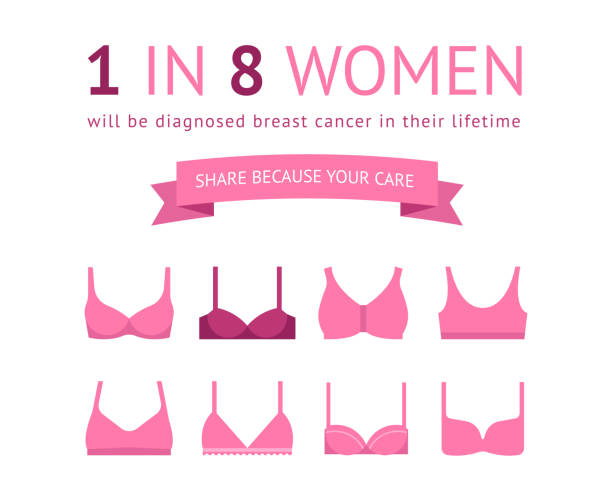
Breast Cancer Awareness Month has special meaning to me. In 1996, my mother was diagnosed with breast cancer. At the time, medicine was not as advanced as today, so the prognosis was unknown. She went through a double mastectomy, chemotherapy, and radiation. It was a terrifying time. My family and I did not know if the cancer would go into remission. We also worried it spread throughout her body. I am happy to say my mother has been cancer-free for nearly 30 years. Unfortunately, two of my sisters have been diagnosed with breast cancer since.
When learning more about the disease during my mother’s recovery, one of my sisters living in another state learned of the Susan B. Komen Foundation due to a march occurring every September where she lived. With the internet still in its infancy, it was difficult to become part of the movement without a local chapter to participate in. However, the growth of social media has made breast cancer awareness a global movement. It started with memes from women posting the color of their bras on their status updates, which was to confuse men on platforms who would then share the posts. Another meme that spread like wildfire was women would post where they like to put their purses. Each meme diffused the message, encouraged participation, and increased contributions to the Susan B. Komen Foundation (Mahoney & Tang, 2016). However, the long-term effects of these campaigns lacked in truly engaging online communities to take meaningful action toward breast cancer prevention, proactive testing, and finding a cure. To bring about genuine change, a campaign needs people to volunteer, donate, or sign petitions. This activism can be achieved by providing links to charities or other action-oriented mobilization methods.
Breast Cancer Foundation | Susan G. Komen®
Breast Cancer Information, Support & Donations – National Breast Cancer Foundation
Moving Forward
“Yesterday, I dared to struggle. Today, I dare to win.” – Bernadette Devlin

To bring about genuine change, a campaign needs people to volunteer, donate, or sign petitions. By providing links to charities or other action-oriented mobilization approaches, this activism can be achieved.
To bring about genuine change, a campaign needs people to volunteer, donate, or sign petitions. By providing links to charities or other action-oriented mobilization techniques, this activism can be achieved. Through authentic engagement, social media communities will want to join a movement. Education encourages them to work for the greater good of society. They will actively contribute to improving society and achieving their social responsibility. With three family members who are breast cancer survivors, I encourage everyone to join the fight. Together, we can beat this!
Breast Cancer Foundation | Susan G. Komen®
Breast Cancer Information, Support & Donations – National Breast Cancer Foundation
Reference:
Mahoney, L. M., & Tang, T. (2016). Strategic Social Media: From Marketing to Social Change. Wiley Global Research (STMS). https://mbsdirect.vitalsource.com/books/9781118556900

 Social Media Marketing
Leave a comment